The difference between 10K and 10Q is that a 10-K is a detailed annual financial report filed once a year, while a 10-Q is a shorter quarterly report filed three times a year.
When I first went to buy gold jewelry, I saw 10K and 14K written on rings. I felt confused. Both looked shiny.
Both were called gold. But the price was different. The purity was different. That is where I learned the difference between 10K and 14K.
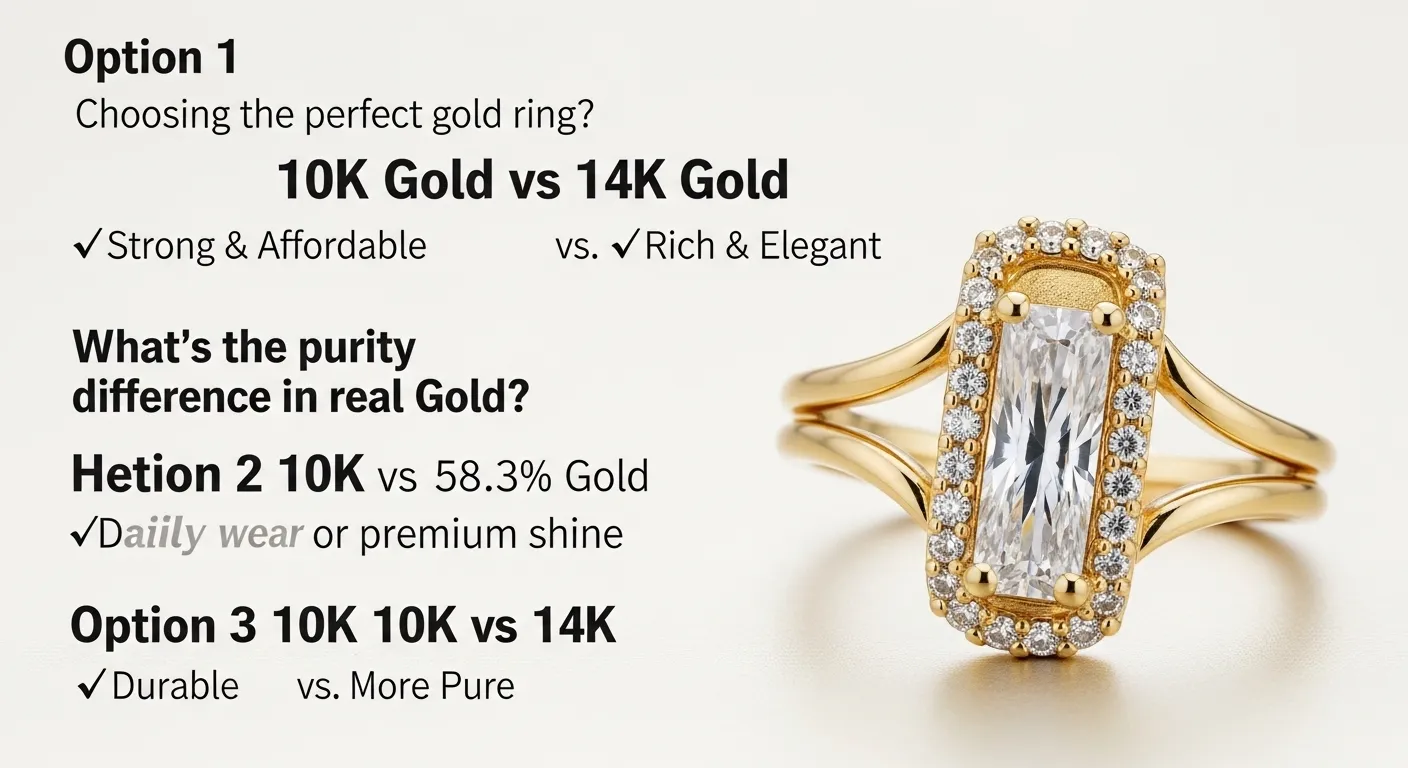
The difference between 10K and 14K is mainly about gold purity and durability. 10K has less pure gold. 14K has more pure gold. Both are popular in jewelry. Many people compare them before buying.
Understanding the difference between 10K and 14K helps you make a smart choice. Once you know the difference between 10K and 14K, shopping becomes easy.
🔑 Key Difference Between the Both
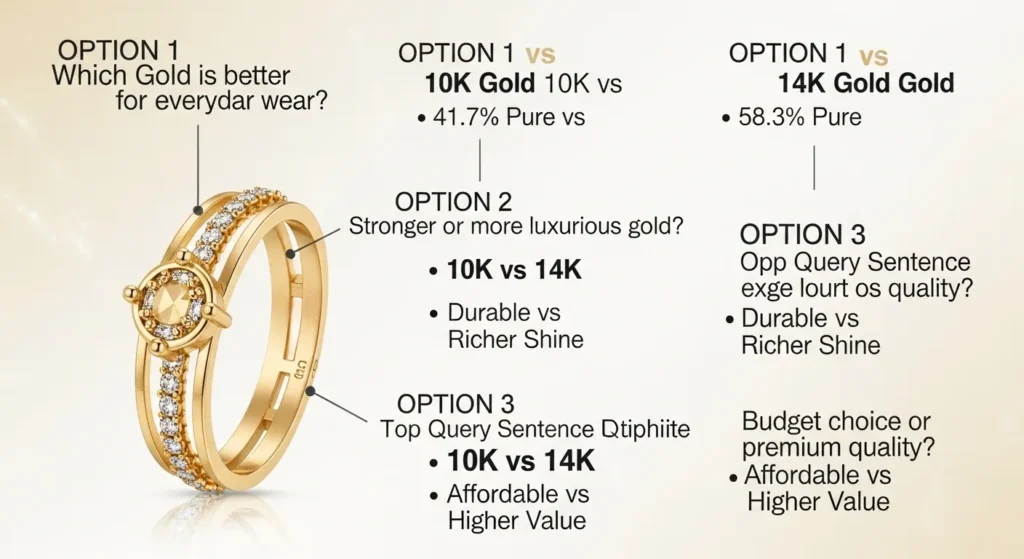
The main difference between 10K and 14K is that 10K contains 41.7% pure gold, while 14K contains 58.3% pure gold.
🎓 Why Is Their Difference Important?
Knowing the difference between 10K and 14K helps buyers. It helps jewelry lovers. It also helps in understanding price and quality.
🔊 Pronunciation
🗣️ 10K
- US: /ten keɪ/
- UK: /ten keɪ/
🗣️ 14K
- US: /fɔːrˈtiːn keɪ/
- UK: /fɔːˈtiːn keɪ/
Now let’s see the detailed differences.
🏆 Difference Between 10K and 14K
📖 Definition of 10K
10K gold is gold mixed with other metals. It contains 10 parts gold out of 24 parts total.
📖 Definition of 14K
14K gold is gold mixed with other metals. It contains 14 parts gold out of 24 parts total.
1️⃣ Gold Purity
10K: 41.7% pure gold.
- 10 parts gold.
- 14 parts other metals.
14K: 58.3% pure gold.
- 14 parts gold.
- 10 parts other metals.
2️⃣ Durability
10K: Very strong.
- More resistant to scratches.
- Better for daily wear.
14K: Strong but softer than 10K.
- Good durability.
- Slightly less hard.
3️⃣ Color
10K: Lighter yellow color.
- Less rich tone.
- Slight pale look.
14K: Richer yellow color.
- More gold shine.
- Deeper tone.
4️⃣ Price
10K: Cheaper.
- Less pure gold.
- Budget friendly.
14K: More expensive.
- More gold content.
- Higher value.
5️⃣ Tarnish Resistance
10K: More resistant to bending.
- May tarnish slightly.
- Contains more alloy metals.
14K: Better shine retention.
- Less tarnish than lower karats.
- Balanced composition.
6️⃣ Popularity
10K: Popular in USA for affordable jewelry.
- Used in rings.
- Used in chains.
14K: Very popular worldwide.
- Engagement rings.
- Fine jewelry.
7️⃣ Skin Sensitivity
10K: Higher chance of skin reaction.
- More alloy metals.
- Nickel may cause irritation.
14K: Lower chance of irritation.
- Higher gold purity.
- Better for sensitive skin.
8️⃣ Resale Value
10K: Lower resale value.
- Less gold weight.
- Lower melt value.
14K: Higher resale value.
- More gold content.
- Better investment.
9️⃣ Marking Stamp
10K: Marked as 10K or 417.
- 417 means 41.7% gold.
14K: Marked as 14K or 585.
- 585 means 58.5% gold.
🔟 Best Use
10K: Best for everyday jewelry.
- School wear.
- Office wear.
14K: Best for premium jewelry.
- Wedding rings.
- Special gifts.
🌿 Nature and Behavior
💛 10K
Strong and affordable.
Less shiny.
Practical choice.
💛 14K
Rich and elegant.
More golden shine.
Balanced choice.
🤔 Why Are People Confused?
Both are real gold.
Both look similar.
Difference is in purity.
📊 Difference and Similarity Table
| Feature | 10K | 14K | Similarity |
| Purity | 41.7% | 58.3% | Real gold |
| Strength | Stronger | Slightly softer | Durable |
| Price | Lower | Higher | Sold in jewelry |
| Color | Lighter | Richer | Shiny metal |
| Value | Less | More | Precious metal |
🏆 Which Is Better in What Situation?
💍 10K (Best for Budget and Daily Use)
Good for tight budget.
Very strong.
Good for daily wear.
💎 14K (Best for Quality and Elegance)
Better for special occasions.
Richer color.
Higher gold value.
❓ FAQs
1. Is 14K better than 10K?
It has more gold.
2. Which is stronger?
10K is slightly stronger.
3. Which is more expensive?
14K is more expensive.
4. Can 10K fade?
It may lose shine over time.
5. Is 14K good for engagement rings?
Yes. Very popular choice.
🌍 Usefulness
Both are useful in jewelry.
Both are durable.
Choice depends on budget and taste.
📝 Final Words
10K and 14K are common gold types.
They differ in purity and price.
📌 Conclusion
The difference between 10K and 14K is mainly about gold purity, strength, price, and appearance. 10K gold contains 41.7% pure gold. The rest is made of alloy metals like copper, silver, or nickel.
This makes it stronger and more durable. It is also more affordable. That is why many people choose 10K for everyday jewelry.
It resists scratches better. It is practical for daily wear. However, it has a lighter yellow color and slightly lower resale value because it contains less gold.
On the other hand, 14K gold contains 58.3% pure gold.
It is slightly softer than 10K but still very durable. It is widely used in engagement rings vs fine jewelry.
Both 10K and 14K are real gold. Both are suitable for jewelry. The best choice depends on your budget, style preference, and usage needs.
Understanding the difference between 10K and 14K helps you choose wisely and invest confidently in gold jewelry.
Discover More Posts!
Difference Between Fog and Clouds: Clear Guide for Everyone
Difference Between Risk and Vulnerability: In(2026)
📚 Difference Between Endnotes and Footnotes

labdiff.com is my English grammar comparison website where I simplify confusing words, spelling differences, and usage rules through clear explanations and examples. My goal is to help learners, writers, and students understand English easily and use correct grammar with confidence.